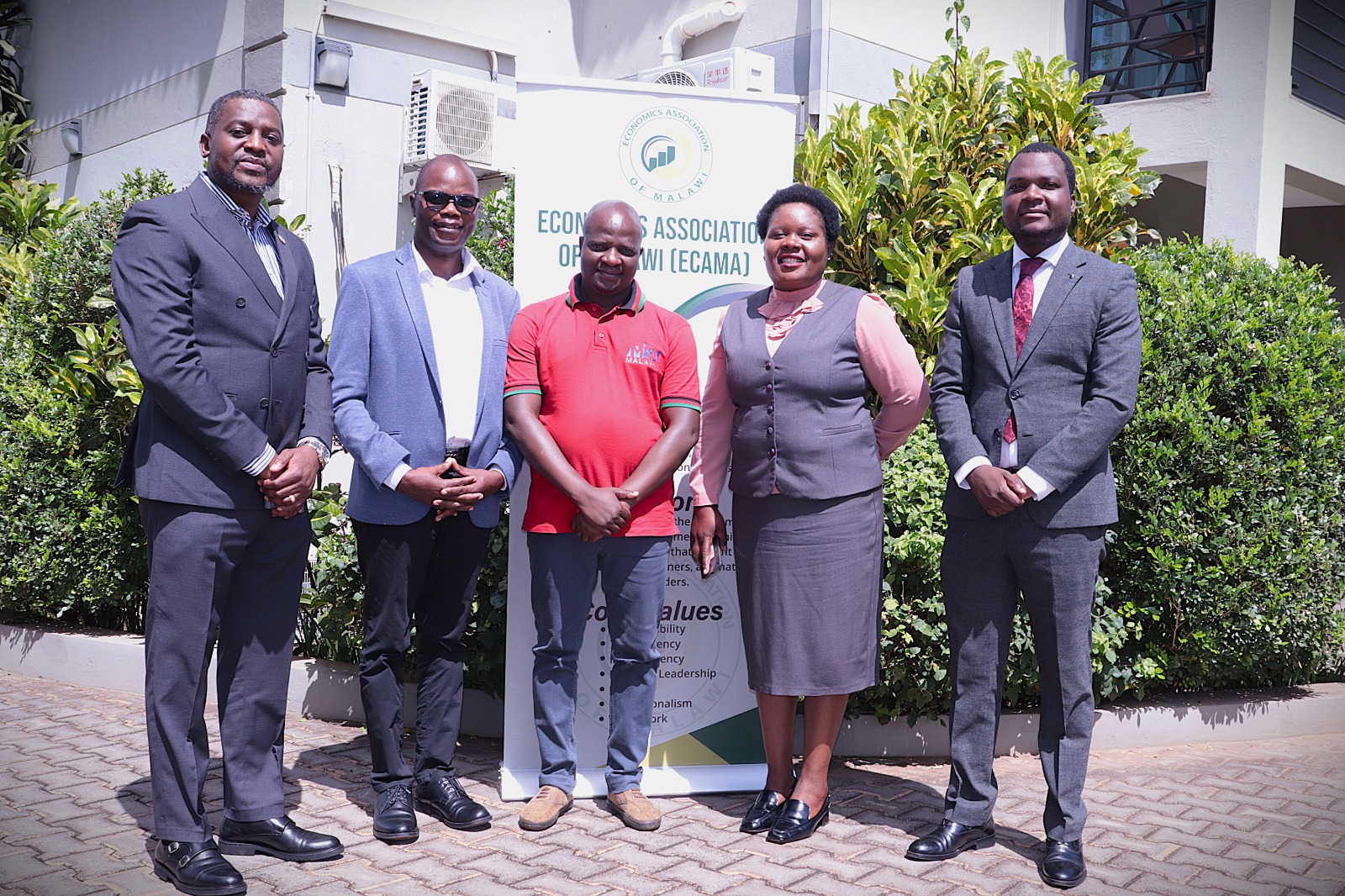
MEDIA TRAINING ON MACROECONOMIC ISSUES AND DATA ANALYSIS UNDER THE "ENHANCING ECONOMIC AWARENESS TO EMPOWER DECISION-MAKING IN MALAWI" PROJECT

February 26, 2026

The media is not merely a conveyor of information. It is a powerful institution that influences public perception, public discourse and public action. The way inflation is reported affects how consumers behave. The way exchange rates movements are explained influences business expectations.The way the national budget is analysed shapes public trust and accountability.In this sense, economic reporting does not just inform, but it shapes the outcomes.

It is for this very reason that ECAMA in partnership with Oxfam Malawi, the Media Institute of Southern Africa and the Malawi Economic Justice Network (MEJN) organised  the Media Personnel training yesterday, on 26 February 2026, to equip media professionals, editors, broadcasters, content creators and influencers to equip them with practical tools and relevant knowledge to enhance their reporting on economic matters. We aim to strengthen their ability to interpret data, ask the right questions, and provide context when covering economic stories,recognising the media landscape of televisions, print, radios and now social media platforms.

Let us remember that informed societies make better decisions. And better decisions, whether at household, institutional, or national level are the foundation of sustainable development.

 

more articles

Blog Post

MEDIA TRAINING ON MACROECONOMIC ISSUES AND DATA ANALYSIS UNDER THE "ENHANCING ECONOMIC AWARENESS TO EMPOWER DECISION-MAKING IN MALAWI" PROJECT

February 26, 2026

The media is not merely a conveyor of information. It is a powerful institution that influences public perception, public discourse and public action. The way inflation is reported affects how consumers behave. The way exchange rates movements are explained influences business expectations.The way the national budget is analysed shapes public trust and accountability.In this sense, economic reporting does not just inform, but it shapes the outcomes.

It is for this very reason that ECAMA in partnership with Oxfam Malawi, the Media Institute of Southern Africa and the Malawi Economic Justice Network (MEJN) organised  the Media Personnel training yesterday, on 26 February 2026, to equip media professionals, editors, broadcasters, content creators and influencers to equip them with practical tools and relevant knowledge to enhance their reporting on economic matters. We aim to strengthen their ability to interpret data, ask the right questions, and provide context when covering economic stories,recognising the media landscape of televisions, print, radios and now social media platforms.

Let us remember that informed societies make better decisions. And better decisions, whether at household, institutional, or national level are the foundation of sustainable development.


What’s a Rich Text element?

The rich text element allows you to create and format headings, paragraphs, blockquotes, images, and video all in one place instead of having to add and format them individually. Just double-click and easily create content.

Static and dynamic content editing

A rich text element can be used with static or dynamic content. For static content, just drop it into any page and begin editing. For dynamic content, add a rich text field to any collection and then connect a rich text element to that field in the settings panel. Voila!

How to customize formatting for each rich text

Headings, paragraphs, blockquotes, figures, images, and figure captions can all be styled after a class is added to the rich text element using the "When inside of" nested selector system.

Downloads
Author
Joshua Thomson Chirambo

Joshua Thomson Chirambo is an Information Technology Technician Intern at ECAMA Secretariat.